
Confirmation Bias Explained: Why We See What We Expect
Learn what confirmation bias is, how it shapes thinking, and explore 3 real-life examples that show why we believe what we already expect.
 Berry Bits
·
May 18, 2026
·
5 min read
Berry Bits
·
May 18, 2026
·
5 min read
Confirmation Bias: Why We See What We Already Believe
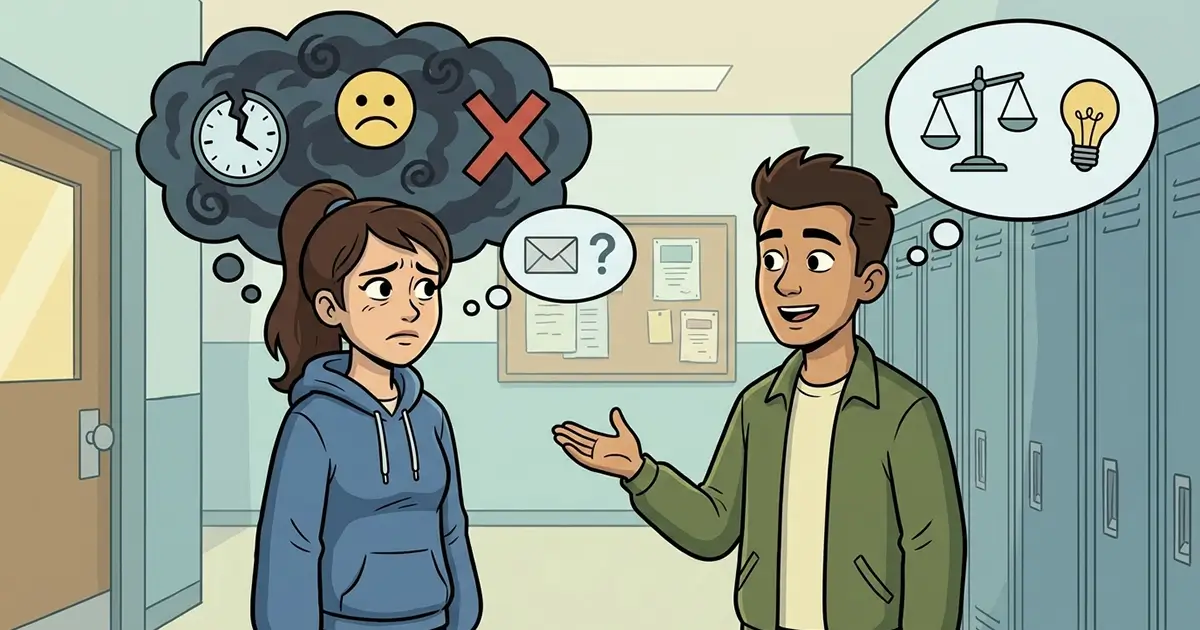
Have you ever been absolutely sure about something, only to notice that every small detail seems to “prove” you were right? Maybe you thought a friend was ignoring you, and suddenly every delayed reply, every short message, and every neutral expression felt like confirmation. Or maybe you believed a product was bad, and you started noticing only the negative reviews while ignoring the positive ones.
That’s confirmation bias at work.
Confirmation bias is one of the most common thinking patterns in human psychology. It shapes how we interpret information, how we remember events, and even how we interact with people. The tricky part is that it feels logical while it’s happening. We don’t realize we are filtering reality; we believe we are just “observing the truth.”
In reality, we are often just collecting evidence that supports what we already believe while ignoring everything that challenges it.
What is Confirmation Bias?
Confirmation bias is a cognitive bias where people tend to favor information that confirms their existing beliefs, while ignoring or dismissing information that contradicts them.
In simple terms, if you believe something is true, your brain will:
- Notice supporting evidence more easily
- Interpret neutral events as supportive
- Forget or downplay contradictory evidence
This happens automatically. It is not a conscious decision most of the time. The brain does this to save mental energy and maintain consistency in our beliefs.
The problem is that this shortcut can distort reality.
Instead of asking, “What is actually true?”, we start asking, “What proves I’m right?”
Why Does It Happen?
Human brains are not designed to analyze everything from scratch every time. That would be too slow and exhausting. So the brain uses mental shortcuts, called heuristics, to make quick decisions.
Confirmation bias is one of those shortcuts.
It helps us feel:
- Certain
- Secure
- Less mentally overloaded
But it also creates blind spots. Once we form an opinion, we start building a mental filter that highlights supporting evidence and dims opposing evidence.
This is why two people can see the same situation and walk away with completely different interpretations.
Example 1: The “They Hate Me” Scenario

Let’s go back to a relatable social situation.
Imagine a student named Shama who believes her classmate doesn’t like her. She starts looking for signs:
- The classmate didn’t smile today → “They are ignoring me”
- They spoke to someone else first → “They are avoiding me”
- They were quiet in class → “They are upset with me”
But here’s what she ignores:
- The classmate was distracted
- They were busy with their own thoughts
- They interacted normally with others too
None of these neutral actions actually prove dislike. But because Shama already believes she is disliked, her brain connects unrelated dots into a story.
This is how confirmation bias turns assumptions into “evidence.”
The result is emotional stress created entirely by interpretation, not reality.
Example 2: Social Media Echo Chambers

Confirmation bias becomes even stronger online.
Let’s say someone believes a certain diet is the best for weight loss. They start searching for content about it. Algorithms notice this behavior and begin showing similar content repeatedly.
Now the person sees:
- Success stories about the diet
- Influencers promoting it
- Testimonials reinforcing their belief
At the same time, they ignore or never see:
- Studies that question its effectiveness
- People who had negative experiences
- Alternative approaches that might work better
Over time, their belief becomes stronger not necessarily because it is correct, but because their information environment is filtered.
This creates what is often called an “echo chamber,” where beliefs are constantly reinforced without challenge.
Example 3: Workplace Misinterpretation

Confirmation bias also shows up in professional environments.
Imagine an employee who believes their manager does not value their work. Once this belief forms, everything gets interpreted through that lens:
- A short email from the manager feels cold or dismissive
- Lack of immediate feedback feels like disapproval
- Being assigned routine tasks feels like being undervalued
However, the reality might be very different:
- The manager is simply busy
- Short communication is their normal style
- Tasks are distributed based on workflow, not preference
Because the employee is already convinced, neutral actions become negative signals.
This can lead to unnecessary stress, reduced performance, and even damaged workplace relationships.
How Confirmation Bias Affects Decision Making
Confirmation bias does not just affect emotions. It also influences decisions in important areas:
- Choosing what to believe
- Interpreting risks
- Evaluating people
- Making financial or personal decisions
When we only look for supporting evidence, we reduce the quality of our judgment. We stop weighing both sides equally.
This is why confirmation bias is often considered a silent error in thinking. It does not feel wrong while it is happening.
Can We Reduce Confirmation Bias?
We cannot completely eliminate confirmation bias, but we can reduce its impact.
Here are a few practical ways:
-
Ask what would prove you wrong
Instead of only asking “What supports my belief?”, also ask “What would challenge it?” -
Look for opposing viewpoints
Actively read or listen to perspectives you disagree with. -
Slow down interpretations
Not every action has hidden meaning. Sometimes things are neutral. -
Separate facts from assumptions
Write down what you actually observed versus what you think it means. -
Talk it out
Explaining your thoughts to someone else often reveals blind spots.
Final Thoughts
Confirmation bias is not a flaw unique to a few people. It is a universal human tendency. Everyone experiences it, often without realizing it.
The danger is not in having beliefs. The danger is in only collecting evidence that protects those beliefs.
Once we become aware of this pattern, we can start seeing situations more clearly. We begin to notice when we are interpreting reality and when we are actually just reinforcing a story in our head.
And sometimes, the truth is much simpler than what we assume.




Comments (0)
No comments yet. Be the first to share your thoughts!
Leave a comment
Your comment will appear after it's reviewed. Your email is never shown publicly.