
Why People Justify Wrong Actions: Moral Disengagement Explained
Learn what moral disengagement is and how people justify unethical actions to protect their group identity with real-life examples.
 Berry Bits
·
May 18, 2026
·
5 min read
Berry Bits
·
May 18, 2026
·
5 min read
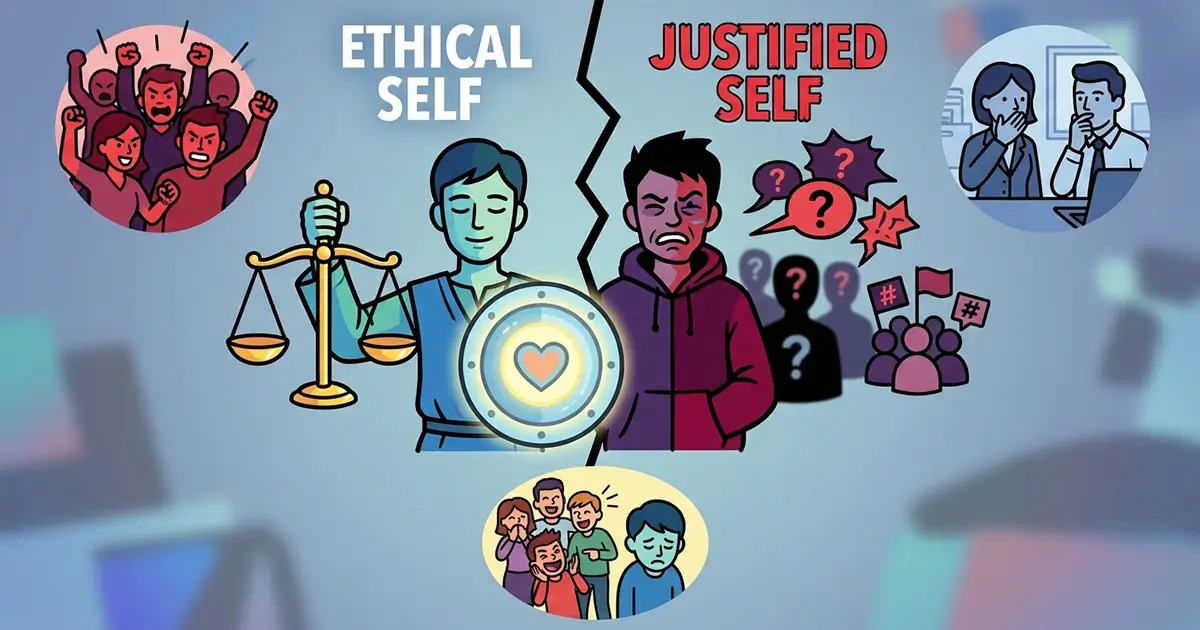
Moral Disengagement: Why Good People Justify Bad Actions
Have you ever seen someone do something clearly wrong, but they still defend it like it’s perfectly acceptable? Not only do they defend it, they often get emotional about it, as if they are the victim for being questioned.
This is not just hypocrisy or ignorance. It is a well-studied psychological process called moral disengagement.
Moral disengagement explains how people temporarily disconnect their actions from their moral standards. In simple terms, it is when someone normally knows right from wrong, but in a specific situation, they mentally “switch off” their moral compass so they can justify behavior they would usually condemn.
What makes this concept powerful is that it does not require bad intentions. Most people who engage in moral disengagement do not see themselves as unethical. In fact, they often believe they are being loyal, fair, or even righteous.
The question is not just “why do people do bad things?”
It is also “how do they convince themselves it is not bad?”
Let’s explore how this works in real life.
What is Moral Disengagement?
Moral disengagement is a psychological mechanism where people justify unethical behavior by changing how they interpret it.
Instead of thinking:
- “This is wrong.”
They think:
- “This is necessary.”
- “This is normal.”
- “Everyone does it.”
- “They deserved it.”
- “It’s not my responsibility.”
This mental shift allows people to act against their usual values without feeling guilt, shame, or accountability.
It is not about losing morality completely. It is about selectively turning it off when it benefits their group, identity, or emotions.
This is why moral disengagement is so common in:
- Friend groups
- Families
- Sports fandoms
- Workplaces
- Online communities
- Political discussions
Anywhere identity and loyalty are involved, moral disengagement can appear.
Why Does It Happen?
Human beings are social creatures. We are wired to belong to groups. That sense of belonging often becomes stronger than our sense of objective right and wrong.
When a group identity is threatened or involved, people often prioritize:
- Loyalty over truth
- Belonging over accountability
- Protection over honesty
Moral disengagement becomes a mental shortcut that reduces discomfort.
Instead of facing the guilt of “my side did something wrong,” the mind rewrites the story so that the action feels justified.
This is not always conscious. In fact, it usually happens automatically.
Real-Life Examples of Moral Disengagement
To understand it better, let’s look at everyday situations where moral disengagement shows up clearly.
1. Loyalty Over Accountability

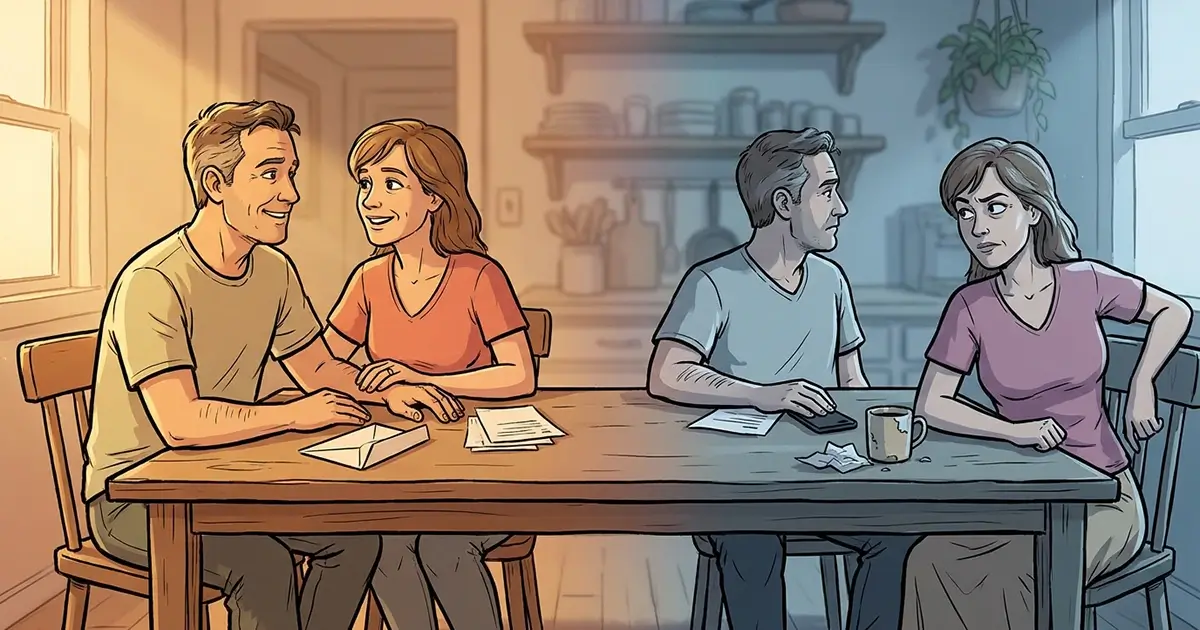
Imagine a person discovers that their close friend cheated in a relationship. Deep down, they know it is wrong. But instead of acknowledging it, they say:
“It’s not my place to interfere.”
“Relationships are complicated.”
“Everyone makes mistakes.”
They might even go further and actively help hide it.
Why? Because acknowledging the wrongdoing would create emotional conflict. It would force them to choose between truth and loyalty.
So instead, they disengage their moral judgment and frame it as “not their responsibility.”
In their mind, they are not enabling wrongdoing. They are “being a good friend.”
2. Sports and Selective Morality

Sports fandom is one of the clearest examples of moral disengagement.
When fans support a team, that team becomes part of their identity. As a result, the behavior of that team or its supporters is often judged differently depending on context.
If their own team’s fans behave aggressively, they might say:
- “It’s just passion.”
- “They were provoked.”
- “That’s part of the game.”
But if the opposing team’s fans do the same thing, the reaction is completely different:
- “They are disrespectful.”
- “They are violent.”
- “They are out of control.”
The behavior is identical, but moral judgment changes based on group loyalty.
This is moral disengagement in action: ethics become flexible depending on “whose side” someone is on.
3. “It’s Just a Prank” Culture

Another common example appears in social settings, especially workplaces, schools, and online content.
Someone embarrasses or humiliates another person and then calls it:
- “Just a joke.”
- “Lighthearted fun.”
- “You’re too sensitive.”
Even if the action causes real discomfort, it gets rebranded as harmless entertainment.
When confronted, the justification is not denial of the action itself, but denial of its impact.
This is a key feature of moral disengagement: harm is reframed as something trivial so guilt does not have to be processed.
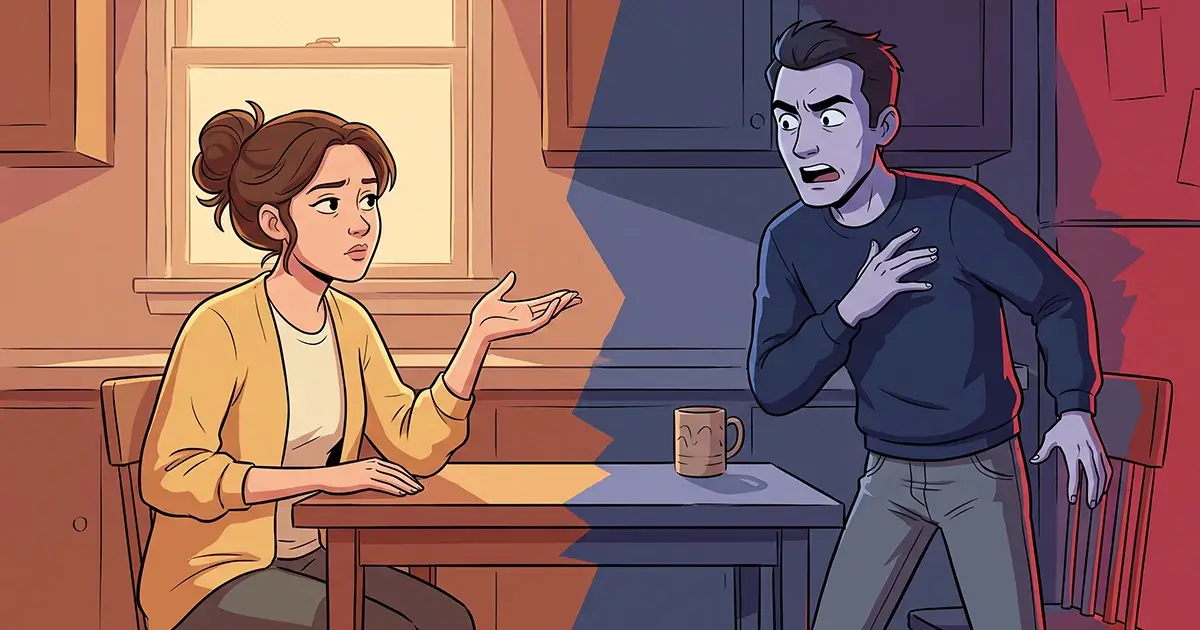
The responsibility shifts from the person doing the harm to the person receiving it:
“If you’re hurt, the problem is your reaction, not my action.”
How Moral Disengagement Works Internally
At a psychological level, moral disengagement works by changing how people interpret three things:
1. The action itself
Instead of “this is harmful,” it becomes “this is normal” or “this is deserved.”
2. Responsibility
Instead of “I chose to do this,” it becomes “I was just following others” or “I had no choice.”
3. Consequences
Instead of “this caused harm,” it becomes “it wasn’t that serious” or “they’ll get over it.”
By adjusting these internal narratives, people reduce emotional discomfort.
The behavior does not change immediately. The interpretation of the behavior does.
Why It Feels So Normal
One of the most important things about moral disengagement is that it does not feel like moral failure.
It feels like:
- Loyalty
- Humor
- Justice
- Fairness
- Self-defense
- Group protection
This is why it spreads easily in groups. Once one person reframes behavior as acceptable, others follow.
It creates a shared reality where questionable actions feel normal because everyone around is agreeing with the justification.
The Most Common Blind Spot
The hardest part of moral disengagement is not recognizing it in others. That is easy.
The difficult part is recognizing it in ourselves.
Most people believe:
- “I would never excuse something wrong.”
But the reality is, it often depends on:
- Who did it
- Which group they belong to
- Whether we identify with them
- What emotional attachment we have
The same person who condemns a behavior in one context may defend it in another without realizing the inconsistency.
Final Thought
Moral disengagement is not about evil people doing bad things.
It is about ordinary people adjusting their moral standards depending on context, loyalty, and identity.
That is what makes it so common and so dangerous at the same time.
Because when morality becomes flexible, almost anything can be justified.
And the most unsettling part is this:
It does not feel wrong while it is happening.


Comments (0)
No comments yet. Be the first to share your thoughts!
Leave a comment
Your comment will appear after it's reviewed. Your email is never shown publicly.