
What Is Moral Licensing? Psychology Explained With Real Examples
Learn what Moral Licensing means in psychology, why good deeds can sometimes lead to unethical behavior, and explore real-life examples of this cognitive bias in action.
 Berry Bits
·
May 12, 2026
·
4 min read
Berry Bits
·
May 12, 2026
·
4 min read
What Is Moral Licensing? The Psychology Behind “Good Deeds” and Bad Behavior
Have you ever noticed someone doing one good thing and then acting like it gives them permission to behave badly afterward?
That psychological phenomenon is called Moral Licensing.
In simple terms, Moral Licensing happens when a person feels that a positive action gives them a “license” to make unethical, selfish, or questionable decisions later. It’s like mentally earning moral credits and then spending them.
This cognitive bias affects everyday people, brands, influencers, companies, and even governments. Often, the person doesn’t even realize they are doing it.
Let’s break it down with real-world examples.
Example 1: The Donor Who Became Demanding

Imagine a wealthy donor giving money to a charity organization.
At first, the donation seems generous and helpful. But moments later, the donor starts making demands:
- Asking for special public recognition
- Wanting free advertising for their business
- Requesting students from the charity to work at their private event
The donor now feels entitled because they already “did something good.”
This is Moral Licensing in action. The good deed becomes psychological justification for transactional or manipulative behavior.
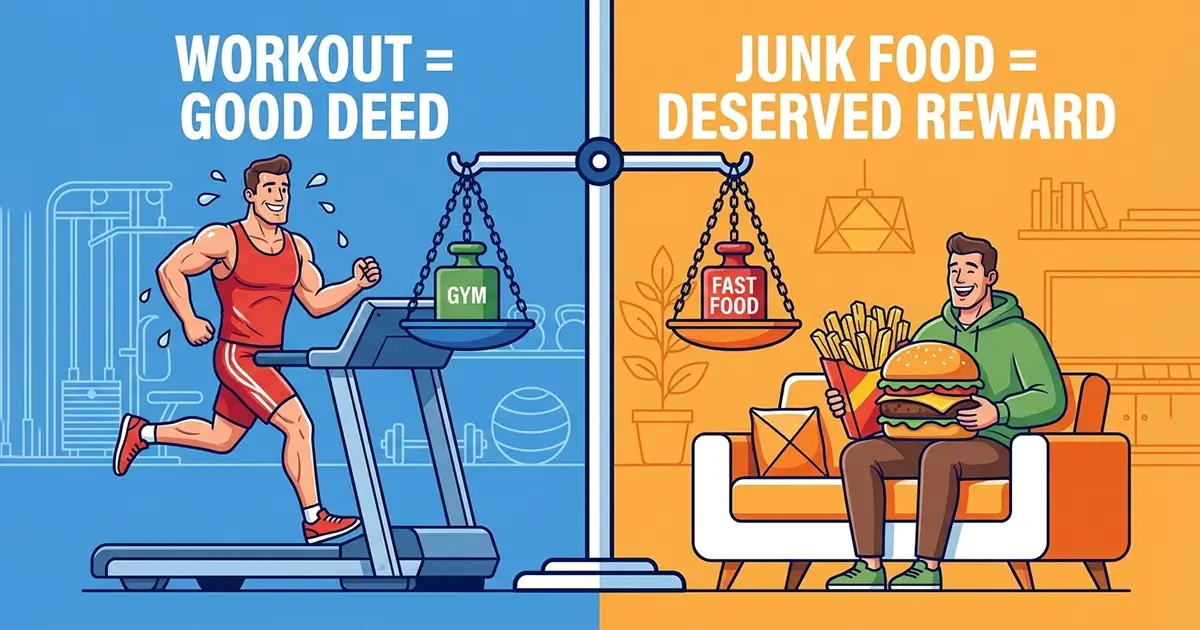
Example 2: “I Worked Out Today, So I Deserve Junk Food”

This is one of the most common forms of Moral Licensing.
Someone spends an hour exercising at the gym and immediately rewards themselves with unhealthy fast food or overeating.
Their brain creates a mental balance sheet:
“I was healthy earlier, so this unhealthy choice is acceptable.”
Ironically, this can completely cancel out the benefits of the original positive action.
Example 3: Companies Pretending to Be Ethical

Some corporations donate to environmental causes while continuing harmful business practices behind the scenes.
For example:
- A company plants trees for publicity
- But continues excessive pollution or waste production
The charitable campaign helps the company feel morally protected while distracting people from larger unethical actions.
This is sometimes called “greenwashing,” and Moral Licensing often plays a role in it.
Example 4: Being Nice to One Person, Then Rude to Another

A person may help a stranger, donate online, or support a social cause publicly.
Later that same day, they:
- Treat workers badly
- Act aggressively online
- Manipulate people around them
Their earlier “good behavior” subconsciously reduces feelings of guilt about later negative actions.
The brain treats morality like a scorecard instead of consistent behavior.
Example 5: The “I’m a Good Person” Mindset

Sometimes Moral Licensing appears internally.
A person thinks:
- “I’m honest most of the time.”
- “I usually help people.”
- “I’m not a bad person.”
Because of that self-image, they may justify:
- Small lies
- Cheating
- Toxic behavior
- Unfair treatment of others
Instead of judging the action itself, they rely on their overall identity to excuse the behavior.
Why Moral Licensing Happens
Human brains naturally want to protect self-image.
After doing something positive, people often feel psychologically “safe.” That feeling can lower self-control and reduce guilt around future actions.
In other words:
Good behavior can sometimes trick people into thinking they’ve earned permission to behave badly.
This doesn’t mean kindness is fake. It simply means human morality is more emotionally driven and inconsistent than most people realize.
How to Avoid Moral Licensing
Here are a few ways to recognize and avoid this bias:
1. Treat Morality as Consistency
One good deed should not erase harmful actions later.
2. Watch for Transactional Thinking
Helping others should not automatically create expectations, control, or entitlement.
3. Question Self-Justification
If you hear yourself saying:
“I already did something good today…”
pause and examine the logic.
4. Focus on Patterns, Not Moments
Character is built through repeated behavior, not isolated actions.
Final Thoughts
Moral Licensing is one of the most fascinating psychological biases because it hides behind positive behavior.
Sometimes the people who appear most generous, ethical, or virtuous can unconsciously use those actions as permission to cross boundaries later.
Understanding this bias can help you:
- Recognize manipulation
- Understand human behavior more clearly
- Make more consistent ethical decisions yourself
The next time someone uses a good deed as leverage, justification, or a free pass, you’ll know exactly what you’re looking at:
Moral Licensing.


Comments (0)
No comments yet. Be the first to share your thoughts!
Leave a comment
Your comment will appear after it's reviewed. Your email is never shown publicly.