
Vulnerability Hangover: Why Oversharing Leads to Regret and Anxiety
Learn what a vulnerability hangover is, why it happens after oversharing, and how it affects your emotions, relationships, and self-perception with real-life examples.
 Berry Bits
·
June 7, 2026
·
7 min read
Berry Bits
·
June 7, 2026
·
7 min read
Vulnerability Hangover: Why Oversharing Leads to Regret and Anxiety
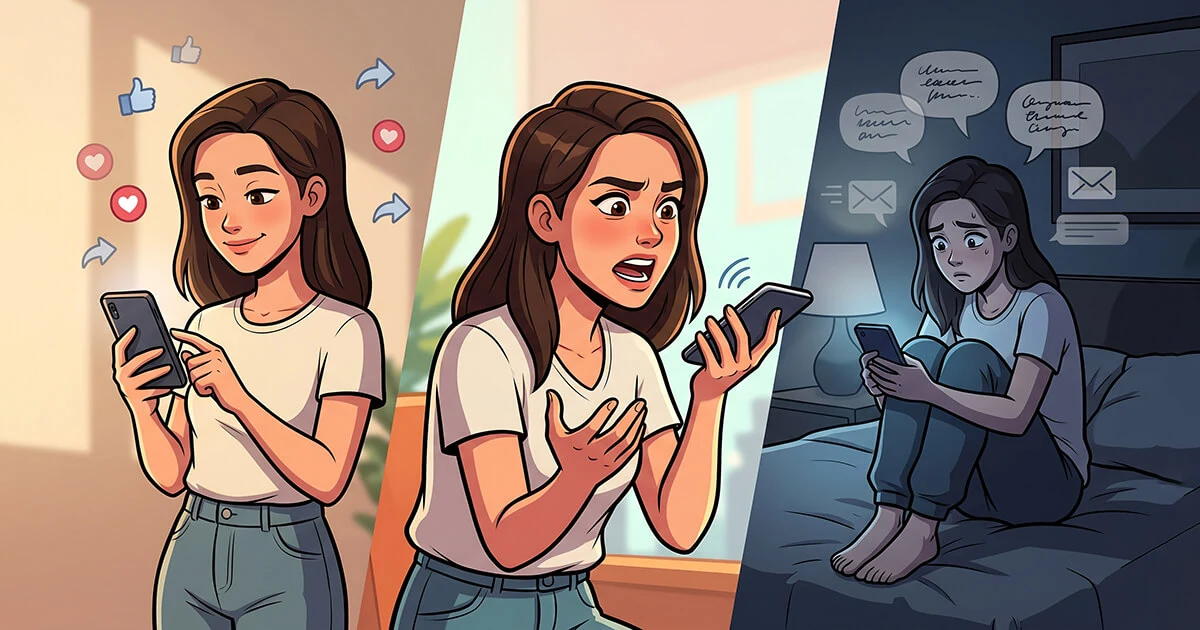
A vulnerability hangover is the uncomfortable emotional state you experience after being too open, honest, or emotionally exposed with someone. It often shows up after you share personal struggles, insecurities, or private thoughts, and later begin to feel anxious, embarrassed, or regretful about it. While the moment of sharing may bring relief or connection, the aftermath can feel mentally heavy and self-critical. This experience is more common than people realize, especially in a world where emotional openness is encouraged but not always emotionally safe.
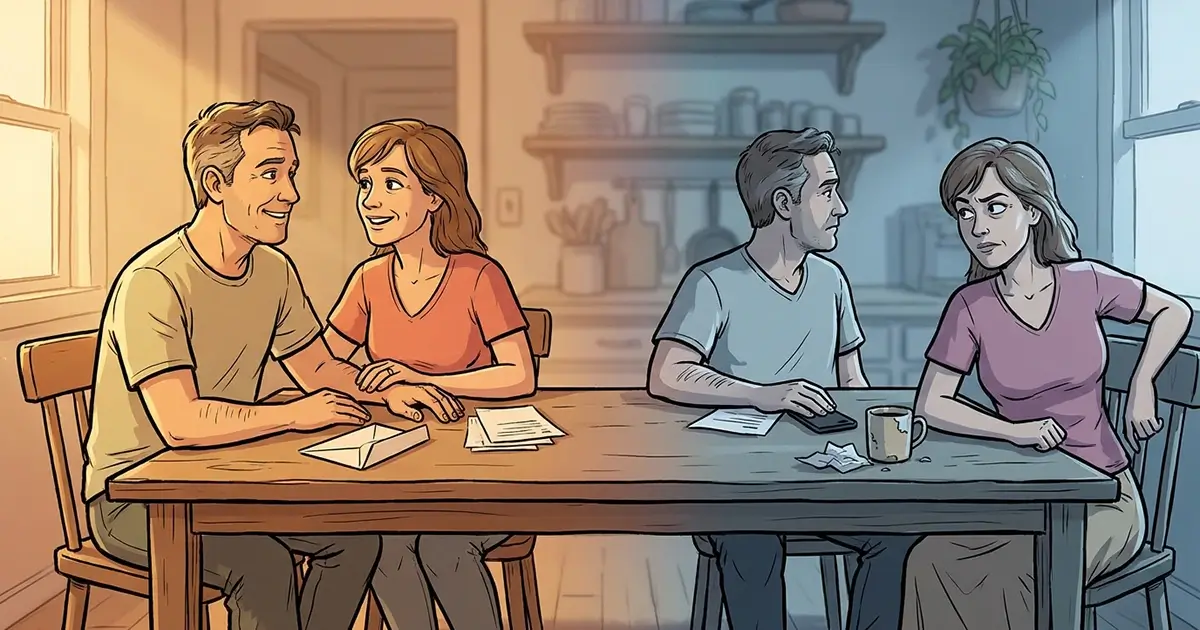
At its core, a vulnerability hangover happens because of the gap between emotional expression and social uncertainty. When you open up, your brain temporarily lowers its defenses, creating a sense of relief. But afterward, your mind starts replaying the conversation, analyzing reactions, and questioning whether you said too much. This shift from emotional release to self-evaluation is what creates the “hangover” feeling.
Psychologically, this response is tied to how humans balance connection and protection. We are social beings who naturally seek closeness, but we are also wired to avoid rejection or judgment. When you share something personal, you temporarily step outside your protective emotional boundary. If the environment does not feel completely safe or predictable, your mind later attempts to reassess the risk you took. This creates a loop of reflection that can feel uncomfortable but is actually part of your brain’s self-protection system.
Another important factor is emotional contrast. The relief you feel while opening up is often followed by a sharper emotional drop once the moment passes. This contrast makes the aftermath feel stronger than the original expression. The more meaningful or intimate the disclosure, the more intense the emotional “aftershock” can be.
Example 1: Posting Personal Content on Social Media

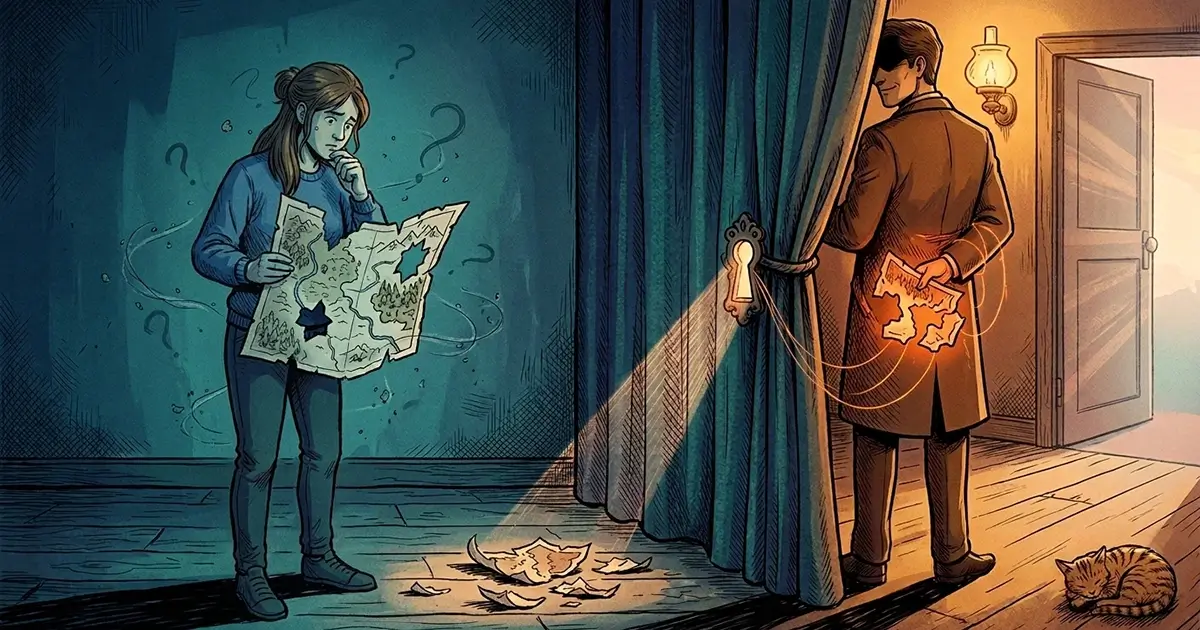
Example 2: Opening Up During an Argument

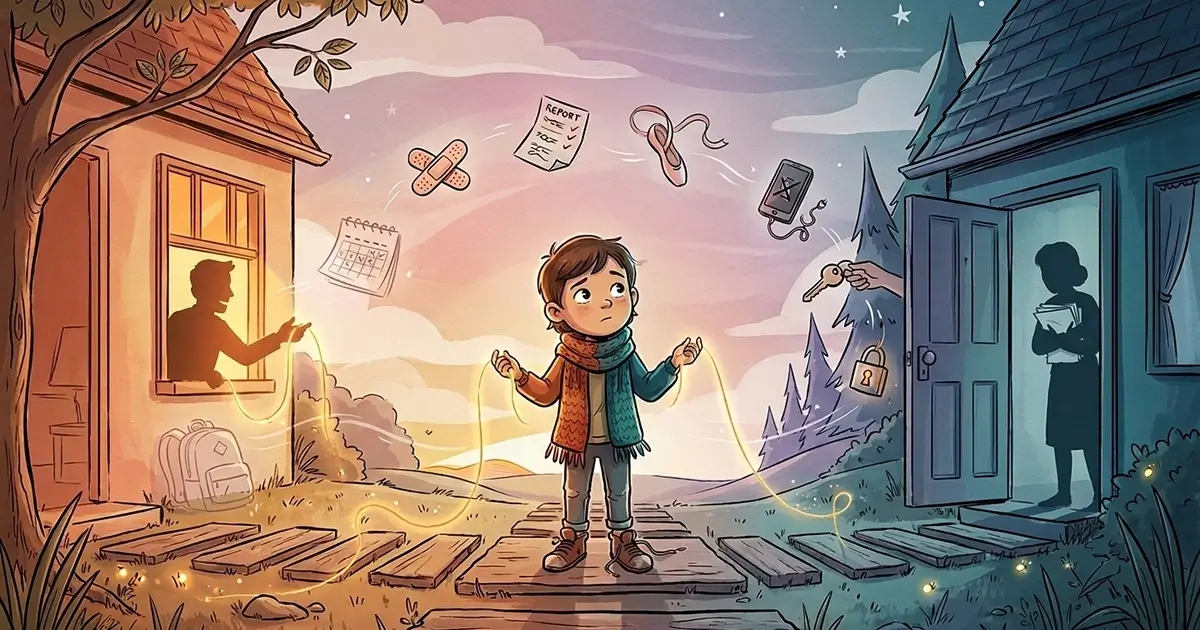
Example 3: Oversharing With an Old Friend

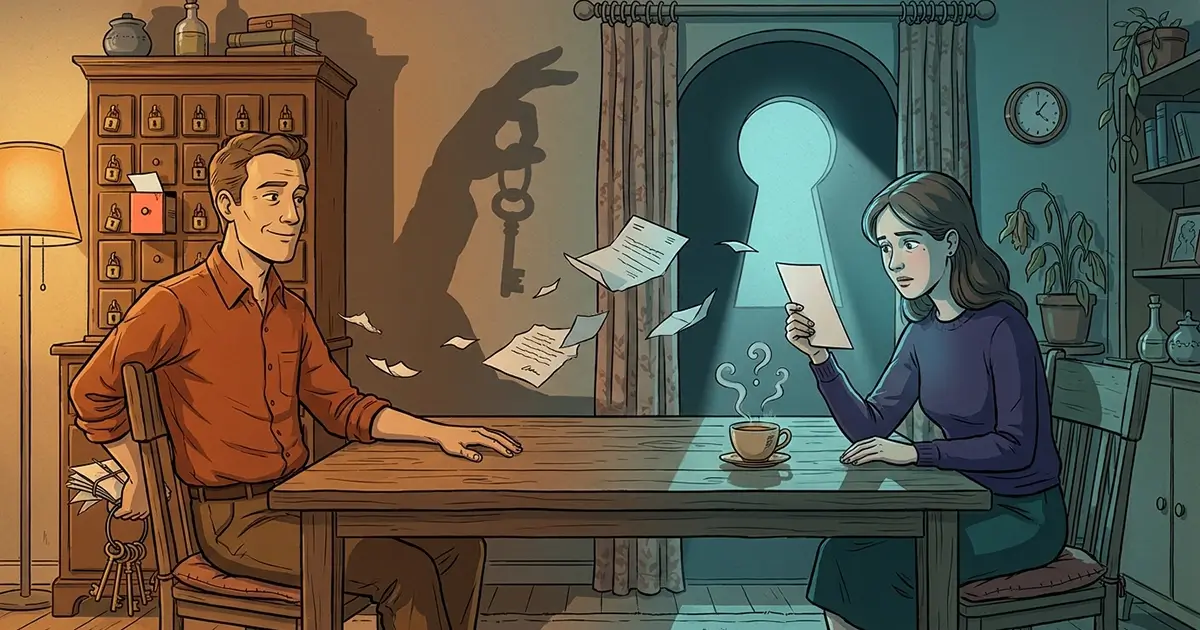
Example 4: Therapy or Deep Emotional Conversations

Why Vulnerability Hangovers Happen
Beyond individual situations, vulnerability hangovers are also influenced by personality traits and past experiences. People who have experienced rejection, criticism, or emotional invalidation in the past may be more sensitive to post-vulnerability anxiety. Their brains become more alert to potential social risks, even in safe environments. Similarly, individuals with high empathy or emotional awareness may replay conversations more intensely because they are highly attuned to emotional nuance.Another factor is control. When you keep things private, you control who knows what. But once you disclose something personal, you lose that control. The awareness of this loss can trigger anxiety, especially in situations where trust is not fully established. The mind often tries to regain that sense of control by mentally reviewing what was said and predicting possible outcomes.
Is a Vulnerability Hangover Bad?
Not necessarily. While uncomfortable, it is not inherently harmful. In fact, it often signals that you care about your relationships and your self-image. It also shows that you are pushing your emotional boundaries, which is essential for deeper connection and personal growth. However, if the feeling becomes overwhelming or prevents you from expressing yourself, it may indicate deeper social anxiety or trust issues that need attention. In most cases, it is a normal part of emotional openness and fades with time and experience.How to Manage It
One way to manage vulnerability hangovers is to normalize them. Recognizing that this feeling is a natural response to emotional exposure can reduce its intensity. It also helps to reflect on the intention behind your sharing. If your intention was genuine expression rather than approval-seeking, it becomes easier to accept the outcome.Another helpful approach is to avoid immediate self-judgment after opening up. Instead of replaying conversations negatively, try to focus on what you actually gained from the interaction, such as connection, clarity, or emotional relief. Grounding yourself in present reality instead of imagined interpretations can also reduce rumination.
Building emotional safety in relationships is another long-term solution. When you consistently share with people who respond with understanding and respect, your brain gradually learns that vulnerability is not dangerous. Over time, the intensity of vulnerability hangovers often decreases.
FAQs
What is a vulnerability hangover?
It is the feeling of anxiety, regret, or emotional discomfort after sharing something deeply personal or being emotionally vulnerable with others.Why do I feel weird after oversharing?
You feel this way because your brain shifts from emotional expression to social evaluation, making you analyze how others might perceive what you said.Is vulnerability hangover normal?
Yes, it is a very common psychological response, especially after emotional conversations or personal disclosures.How long does a vulnerability hangover last?
It varies from a few minutes to several days depending on the depth of what was shared and how safe the environment felt.
Comments (0)
No comments yet. Be the first to share your thoughts!
Leave a comment
Your comment will appear after it's reviewed. Your email is never shown publicly.