
Gaslighting in Relationships: Signs & How to Respond
How to spot gaslighting in a relationship - real signs, examples, and steps to stop doubting yourself and break the cycle.
 Berry Bits
·
July 23, 2026
·
8 min read
Berry Bits
·
July 23, 2026
·
8 min read

Have you ever walked away from an argument wondering whether your memory was wrong, even though you were sure about what happened? Or maybe someone repeatedly told you that you're "too sensitive," "imagining things," or "overreacting" until you started questioning your own judgment.
This is often how gaslighting begins.
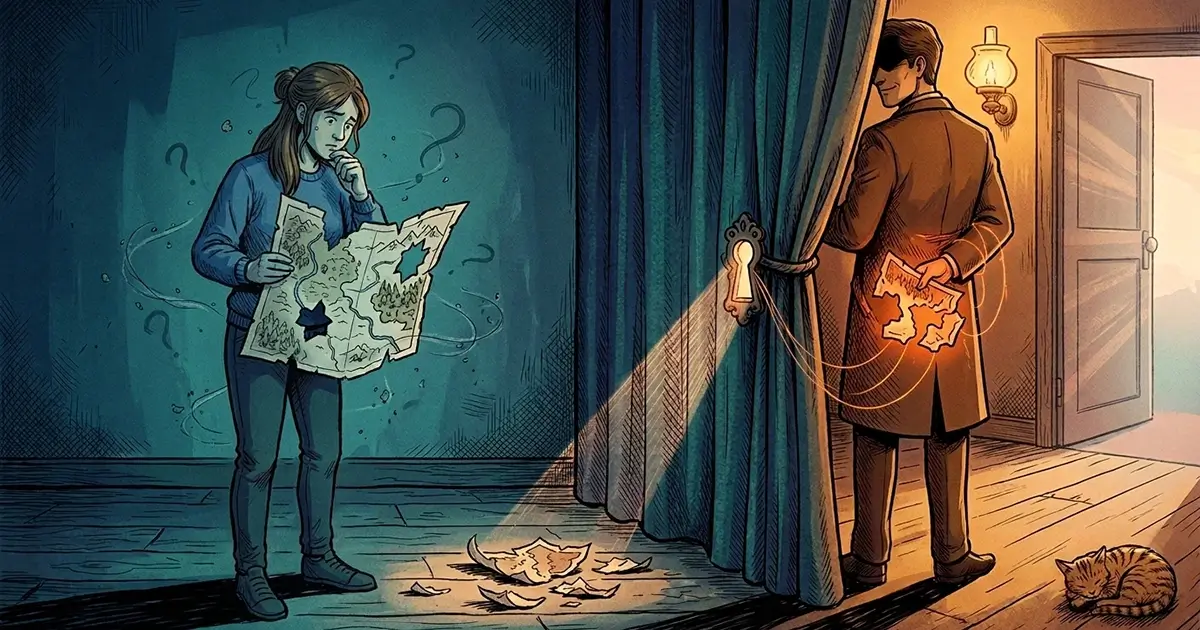
Gaslighting in relationships is a form of emotional manipulation that causes one person to doubt their own memories, perceptions, and reality. Over time, it can damage self-esteem, increase anxiety, and make it difficult to trust your own instincts.
Understanding the warning signs is the first step toward protecting yourself. In this guide, you'll learn what gaslighting looks like, why people use it, real-life examples, and practical ways to respond.
What Is Gaslighting?
Gaslighting is a pattern of psychological manipulation in which one person repeatedly causes another to question their reality. Rather than accepting responsibility or discussing problems honestly, the manipulative partner twists events, denies facts, or shifts blame.
The term comes from the 1938 play *Gas Light*, in which a husband manipulates his wife into believing she is losing her mind by secretly changing things around the house while insisting nothing has changed.
Today, psychologists use the term to describe a range of manipulative behaviors that gradually undermine a person's confidence in their own thoughts and experiences.
How Gaslighting Differs from Ordinary Arguments
Every relationship has disagreements. Healthy disagreements involve different opinions, misunderstandings, or mistakes that both people eventually acknowledge.
Gaslighting is different because the goal isn't to solve the problem—it's to control the narrative.
Instead of saying:
"I remember it differently."
A gaslighting partner may say:
"That never happened."
Or:
"You're making things up again."
Over time, this repeated denial creates confusion and self-doubt.
Common Signs of Gaslighting in Relationships
While every situation is unique, these behaviors often appear together.
They Constantly Deny Things That Happened
Even when you clearly remember a conversation, they insist it never occurred.
Eventually, you may begin wondering whether your memory is unreliable.
They Tell You You're Too Sensitive
Rather than discussing how their actions affected you, they dismiss your emotions.
Common phrases include:
- "You're overreacting."
- "You're too emotional."
- "You always make everything dramatic."
This shifts attention away from their behavior and onto your reaction.
They Twist the Story
A manipulative partner often changes details of events until they appear to be the victim.
After enough conversations, you may struggle to remember what actually happened.
They Rarely Accept Responsibility
Mistakes are always someone else's fault.
Instead of apologizing, they redirect blame toward you.
They Make You Doubt Your Memory
One of the biggest warning signs is feeling the need to constantly keep screenshots, messages, or notes just to prove what happened.
If you're regularly questioning your own memory because of one person's reactions, it's worth paying attention.
Why Do People Gaslight?
Gaslighting isn't always planned in advance, but it usually serves a purpose.
Some people gaslight to:
- Maintain control.
- Avoid accountability.
- Protect their ego.
- Win arguments.
- Manipulate decisions.
- Keep their partner emotionally dependent.
Although understanding the reasons may explain the behavior, it does not excuse it.
Emotional Effects of Gaslighting
Gaslighting often develops slowly.
At first, you may dismiss isolated incidents.
Months later, you may notice that you're constantly second-guessing yourself.
Some common effects include:
- Low self-confidence
- Anxiety
- Difficulty making decisions
- Feeling emotionally exhausted
- Constant guilt
- Fear of bringing up concerns
- Loss of trust in yourself
Many victims eventually apologize even when they've done nothing wrong because they no longer feel confident in their own perspective.
Example 1: "That Conversation Never Happened"

Sarah reminded her boyfriend that he promised to attend her sister's birthday dinner.
When the day arrived, he claimed she had never mentioned it.
She reminded him they discussed it twice.
He laughed and replied:
"You seriously need to work on your memory."
Sarah began wondering whether she imagined the entire conversation.
Weeks later she started writing important discussions in her phone because she no longer trusted herself.
Why This Is Gaslighting
Instead of admitting he forgot, he denied reality and encouraged Sarah to question her memory.
Example 2: Turning Every Problem Around

David calmly told his girlfriend that he felt hurt because she repeatedly ignored his phone calls during emergencies.
Instead of addressing the issue, she responded:
"You always find something to complain about."
Then she added:
"If you weren't so insecure, this wouldn't bother you."
The conversation quickly became about David's personality instead of her behavior.
By the end of the discussion, he apologized.
Why This Is Gaslighting
The original concern disappeared.
Blame was shifted onto David, making him feel responsible for her actions.
Example 3: Public Kindness, Private Manipulation

Emily's husband appeared charming around friends and family.
Everyone described him as thoughtful and caring.
At home, however, he regularly mocked Emily's opinions and later denied saying those things.
When she confronted him, he smiled and said:
"Nobody else thinks I'm mean. Maybe you're imagining it."
Because everyone loved him, Emily began believing she might actually be overreacting.
Eventually, she stopped talking about the problem altogether.
Why This Is Gaslighting
Using public perception to invalidate someone's private experiences is another common manipulation tactic.
It isolates the victim while strengthening the manipulator's credibility.
Example 4: Rewriting Past Events

After an argument, Alex remembered his partner shouting insults.
The following day she insisted:
"I never raised my voice."
When Alex mentioned specific words she used, she replied:
"You completely misunderstood everything."
After hearing this repeatedly over several months, Alex started recording important conversations because he no longer trusted his recollection.
Why This Is Gaslighting
Repeatedly rewriting history creates confusion and makes the victim increasingly dependent on the other person's version of events.
How to Respond to Gaslighting
Recognizing gaslighting is only the beginning.
The next step is learning how to protect your emotional well-being.
Trust Your Own Experience
If something consistently feels wrong, don't dismiss your instincts simply because someone tells you you're mistaken.
Your feelings deserve consideration.
Keep Records
Saving messages, emails, or writing down important conversations can help you separate facts from manipulation.
The purpose isn't to "win" arguments but to maintain confidence in your own memory.
Set Healthy Boundaries
Clearly communicate what behavior you will and won't accept.
Healthy boundaries may include ending conversations that become manipulative or refusing to engage in repeated reality-denying arguments.
Talk to Someone You Trust
Friends, family members, or trusted mentors can provide perspective.
Gaslighting often becomes more effective when someone is isolated.
Seek Professional Support
If the manipulation has been ongoing, speaking with a licensed mental health professional can help rebuild confidence and develop healthy coping strategies.
Therapy can also help identify unhealthy relationship patterns.
Can Gaslighting Be Unintentional?
Sometimes people deny events because they genuinely remember situations differently.
Memory isn't perfect.
However, healthy partners are usually willing to listen, consider another perspective, and apologize if they're mistaken.
Gaslighting becomes a concern when someone repeatedly dismisses your experiences, refuses accountability, and consistently causes you to doubt yourself.
The pattern matters more than any single disagreement.
Can a Relationship Recover After Gaslighting?
Recovery is possible, but only if the person responsible genuinely acknowledges their behavior and commits to meaningful change.
This usually involves:
- Honest accountability
- Consistent respectful communication
- Rebuilding trust over time
- Willingness to seek counseling if necessary
If manipulation continues despite repeated conversations, protecting your own emotional health becomes increasingly important.
When Should You Seek Help?
Consider reaching out for professional support if:
- You constantly question your own memory.
- You're afraid to express your opinions.
- You apologize for things you didn't do.
- Your anxiety has significantly increased.
- You feel emotionally trapped.
- Friends or family have noticed changes in your confidence.
Seeking help isn't a sign of weakness.
It's a step toward regaining trust in yourself.
Frequently Asked Questions
What is gaslighting in a relationship?
Gaslighting is a form of emotional manipulation in which one partner repeatedly causes the other to question their memory, judgment, or perception of reality. Over time, this can reduce confidence and increase emotional dependence.
Is gaslighting considered emotional abuse?
Yes. When gaslighting becomes a repeated pattern intended to manipulate or control another person, many mental health professionals consider it a form of emotional or psychological abuse.
Can someone gaslight without realizing it?
Occasional misunderstandings happen in every relationship. However, repeated denial of another person's experiences, refusal to accept responsibility, and consistent manipulation go beyond simple communication mistakes.
Why is gaslighting so difficult to recognize?
Gaslighting usually develops gradually rather than all at once. Because the manipulation is subtle, many people don't recognize it until their confidence has already been affected.
How do I know if I'm being gaslighted?
If you frequently doubt your own memories, feel confused after conversations, constantly apologize, or rely on someone else to tell you what "really happened," it may be worth examining whether gaslighting is occurring.
Can couples therapy help?
In some cases, yes. Couples therapy may be beneficial when both partners are committed to honest communication and change. However, if one partner continues manipulating or refuses accountability, individual therapy and personal safety should take priority.
Is gaslighting always intentional?
Not necessarily. People sometimes remember events differently. The key difference is whether someone is open to discussion or repeatedly dismisses your reality to gain control.
Final Thoughts
Gaslighting in relationships often begins with small moments of confusion but can gradually grow into a pattern that affects confidence, emotional health, and decision-making. The more often someone tells you that your memories, feelings, or experiences aren't real, the easier it becomes to lose trust in yourself.
Healthy relationships are built on honesty, respect, empathy, and open communication—not manipulation or constant self-doubt.
If this article feels familiar, remember that your experiences matter. Trusting your instincts, setting boundaries, and seeking support from trusted people or mental health professionals can help you regain confidence and move toward healthier relationships.
No one deserves to live in a relationship where they are constantly made to question their own reality.



Comments (0)
No comments yet. Be the first to share your thoughts!
Leave a comment
Your comment will appear after it's reviewed. Your email is never shown publicly.