
Horn Effect: The Bias That Turns One Flaw into a Verdict
One bad trait can ruin someone's reputation instantly. Learn what the horn effect is, how it differs from the halo effect, with 4 clear examples.
 Berry Bits
·
August 11, 2026
·
8 min read
Berry Bits
·
August 11, 2026
·
8 min read
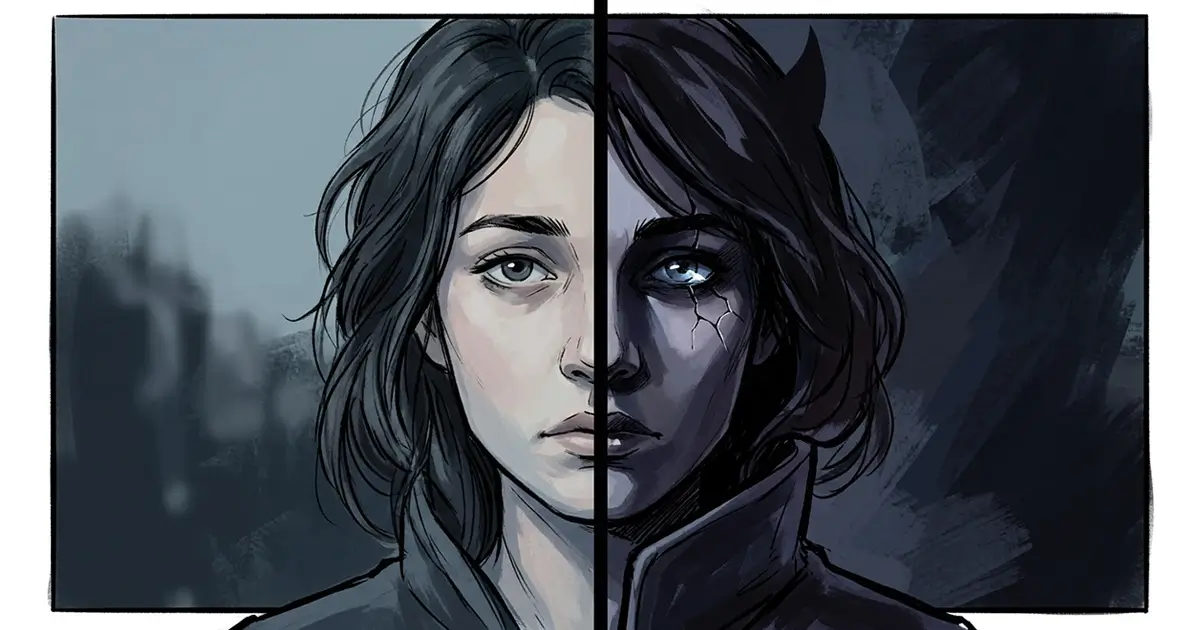
A single bad moment. One awkward sentence in an interview. A typo in an email. A stern look at the wrong time.
Suddenly, that one detail rewrites everything else about a person. Their skills, their intentions, even their character get reinterpreted through that one flaw. This is the horn effect, and it's quietly shaping the way we judge people every single day.
What Is the Horn Effect?
The horn effect is a cognitive bias where one negative trait or impression causes people to assume a person is bad in other, unrelated ways too. It works like a mental shortcut: instead of evaluating someone fairly across many traits, the brain uses one negative data point to color the entire picture.
Psychologists consider it the evil twin of the halo effect. Where the halo effect lets one good trait boost your entire perception of someone, the horn effect lets one bad trait tank it.
The term comes from the image of devil horns, the negative flip of a halo. Both biases stem from the same root cause: the human brain's preference for consistency over complexity. It's easier to believe someone is "all good" or "all bad" than to hold nuanced, sometimes contradictory judgments about them.
Horn Effect vs. Halo Effect
These two biases are mirror images of each other, and understanding the contrast makes each one easier to spot.
The halo effect starts with a positive trait, like attractiveness or confidence, and generalizes it into assumptions of competence, intelligence, or trustworthiness. The horn effect does the same thing in reverse. It starts with a negative trait, like poor grammar or an unpolished appearance, and generalizes it into assumptions of incompetence or untrustworthiness.
Both are examples of a bigger psychological pattern called the halo/horn effect, which is really just one mechanism: our tendency to let a single trait dominate an overall impression instead of judging each trait independently.
Why the Horn Effect Happens
Understanding the "why" behind this bias makes it much easier to catch in real life.
Cognitive Load and Mental Shortcuts
The brain processes an overwhelming number of signals every time it meets a new person or situation. To cope, it relies on heuristics, or mental shortcuts, that trade accuracy for speed. The horn effect is one of these shortcuts. A negative signal gets treated as a summary of the whole person because that's faster than gathering more evidence.
Negativity Bias
Humans are wired to give more psychological weight to negative information than positive information. This is called negativity bias, and it's an evolutionary holdover from a time when noticing threats mattered more than noticing pleasant things. One insult tends to outweigh several compliments. One mistake tends to outweigh a strong track record.
First Impressions and Anchoring
If a negative trait shows up early in an interaction, it anchors the rest of the impression. Everything that follows gets filtered through that first negative data point, even when the later evidence contradicts it.
Confirmation Bias Locks It In
Once the horn effect plants a negative label, confirmation bias keeps it alive. People start unconsciously noticing details that support the label while dismissing or downplaying details that don't. A slightly flat tone in an email gets read as rudeness, while a genuinely warm follow-up message gets brushed off as an exception rather than the rule. The original judgment gets reinforced instead of reconsidered.
Example 1: The Job Interview Typo

A hiring manager is reviewing two nearly identical resumes for a marketing coordinator role. Both candidates have similar experience, similar education, and similar portfolios. But one resume has a small typo in the second paragraph.
The hiring manager pauses. That single typo triggers a cascade of assumptions: this candidate must be careless, they probably don't proofread their work, maybe their attention to detail is weak across the board. The manager starts reading the rest of the resume more critically, looking for more mistakes instead of more strengths.
By the end, the candidate with the typo is rated lower on categories that have nothing to do with grammar, like leadership potential and creativity. The typo became a lens, not just a data point.
Example 2: The Late Coworker

A team member walks into a project kickoff meeting five minutes late. It's a one-time occurrence, caused by a delayed train, but the rest of the team doesn't know that.
Over the following weeks, colleagues start describing this person as "disorganized" or "not a team player," even though their actual work output is on time and high quality. The lateness became the defining trait, and every subsequent interaction gets filtered through it. When they ask a clarifying question in a meeting, it's read as confusion rather than diligence. When they take a short break, it's read as slacking rather than normal behavior.
Example 3: The Snappy Customer Service Reply

A customer emails a company with a complaint. The support agent, having a rough day, replies with a message that reads as slightly curt, even though it technically answers the question.
The customer doesn't just feel annoyed about the tone. They generalize it: this company must not care about its customers, their product is probably unreliable too, and their return policy is probably a hassle. None of these conclusions are actually supported by the interaction, but the one curt reply becomes proof of a much bigger, unrelated pattern.
This is exactly why brand reputation management treats every single customer touchpoint as high stakes. One clipped tone in one email can quietly cost a company far more than that one transaction.
Example 4: The Unpolished Presentation Slide

A junior analyst delivers a strong, well-researched presentation to leadership. The data is accurate, the recommendations are sound, and the analysis is genuinely impressive. But one slide has a formatting error: the font size is inconsistent, and a chart label is slightly misaligned.
After the meeting, a senior executive remarks that the analyst "isn't quite ready" for bigger projects. The verbal delivery was strong. The logic was sound. But that one visual slip became the headline takeaway, overshadowing everything else that actually mattered.
How the Horn Effect Shows Up in Daily Life
This bias isn't limited to interviews and offices. It shows up almost anywhere people form quick judgments about each other.
- Dating: A single awkward joke on a first date can make someone seem incompatible overall, even if the rest of the date went well. The joke becomes "evidence" of poor social skills, poor humor, or even poor values, none of which necessarily follow from one nervous comment.
- Online reviews: One negative comment about a restaurant's slow service can make a reader assume the food is bad too, even without trying it. The service complaint bleeds into judgments about hygiene, pricing, and quality that the reviewer never actually mentioned.
- Teacher-student dynamics: A student who talks back once might get labeled as "disruptive" for the rest of the semester. Future participation, even when respectful and thoughtful, gets reinterpreted through that early label.
- Social media: A single controversial post can permanently color how people view everything else that person shares, including posts that have nothing to do with the original topic.
- Neighborhood and community judgments: One loud party or one parking dispute can define how neighbors perceive a household for years, overshadowing every quiet, uneventful week in between.
How to Protect Yourself From the Horn Effect
Being aware of this bias is the first step toward correcting it, both in how you judge others and in how you might be perceived.
Separate Traits Before Judging Them
Instead of forming one overall impression, try to evaluate distinct traits independently. Someone's punctuality and their competence are two different data points. Keep them separate.
Look for Disconfirming Evidence
When a negative impression forms, actively search for evidence that contradicts it. This counters the brain's natural tendency to seek out information that confirms the first negative judgment.
Give People a Second Data Point
One incident is a sample size of one. Before concluding anything meaningful about a person's character or competence, wait for a second or third interaction to see if the pattern holds.
Manage Your Own First Impressions
If you're aware that a first mistake might get amplified, you can proactively address it. A quick acknowledgment, like "sorry I'm running a few minutes behind," can interrupt the horn effect before it fully forms in someone else's mind.
Frequently Asked Questions
What is the horn effect in simple terms?
The horn effect is a bias where one negative trait about a person causes others to assume they're negative in other unrelated ways too.
Is the horn effect the same as the halo effect?
No, but they're closely related. The halo effect works from a positive trait outward, while the horn effect works from a negative trait outward. Together they're often referred to as the halo/horn effect.
Why does the horn effect happen so quickly?
It happens quickly because of negativity bias, our tendency to give more psychological weight to negative information than positive information, combined with the brain's preference for fast, simplified judgments.
Can the horn effect affect hiring decisions?
Yes. Studies on interview bias consistently show that a single negative detail, like a typo or an awkward answer, can unfairly lower a candidate's overall evaluation even when their qualifications are strong.
How can I avoid falling for the horn effect?
Slow down your judgment, evaluate traits separately instead of as one bundle, and actively look for evidence that contradicts your first impression before drawing a conclusion.
Final Thoughts
The horn effect is proof that first impressions are rarely as objective as they feel. One flaw, one slip, one awkward moment can quietly hijack an entire judgment, even when the rest of the evidence points in a completely different direction.
Recognizing this bias won't make it disappear completely, biases like this are deeply wired into how the brain works. But it can make you pause before writing someone off over a single misstep, and it can make you a little more forgiving of your own.




Comments (0)
No comments yet. Be the first to share your thoughts!
Leave a comment
Your comment will appear after it's reviewed. Your email is never shown publicly.